Featured
Table of Contents
You have actually been sitting in that acquainted chair across from your therapist for weeks (maybe months), sharing your deepest ideas and functioning through your struggles. Whether you're in talk treatment, couples treatment, or specialized injury therapy, you're possibly asking the million-dollar inquiry: You're not alone. Progression in treatment isn't always as obvious.
She has actually been in and out of therapy for several years and sees it as necessary to development. Your therapist pays attention without judging you, and you really feel secure sharing your ideas and sensations without keeping back. They bear in mind details from your previous sessionsnot just the large points but the personal information that matter to you.
Your specialist gets all components of who you are, including your society, household dynamics, and individual history. Depend on and safety are the foundation of reliable treatment.
Focusing On in Your Wellness
This turns up when you examine adverse thoughts in real time or recognize triggers prior to they totally destroy your day. Your unseen areas, or the duplicated patterns of assuming or acting that you couldn't see before, are lastly coming into focus. Possibly you're realizing you constantly believe the worst will certainly occur when you're stressed out, or you're starting to observe exactly how your mood shifts when you haven't eaten.
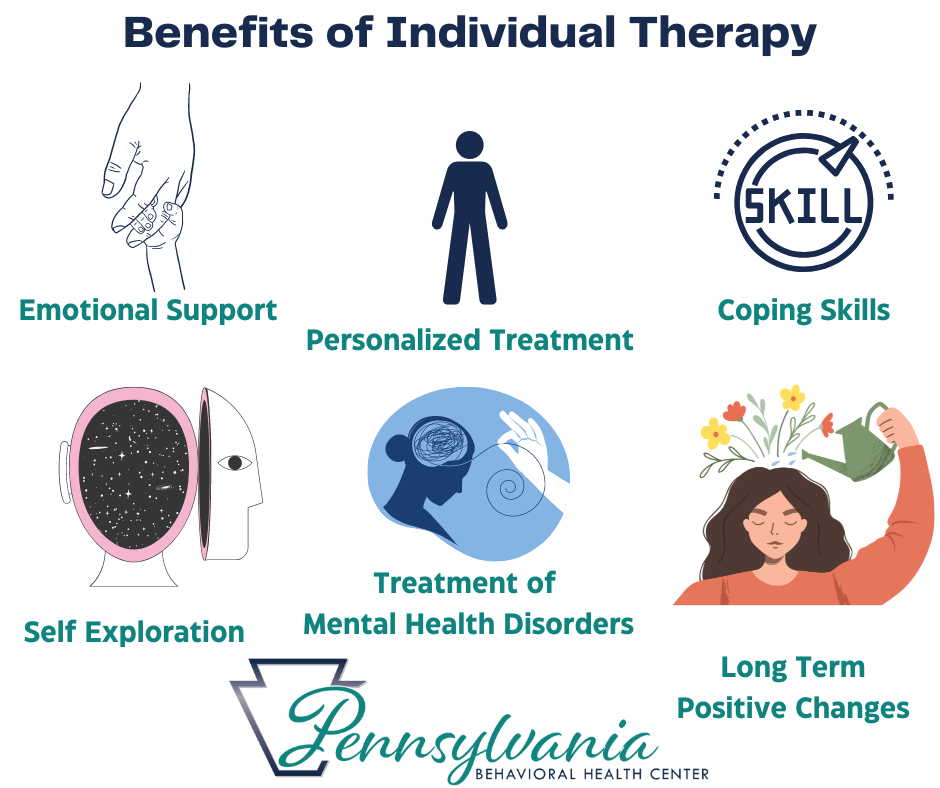
You're moving toward the certain goals you set with your therapist, whether that's establishing much better borders, minimizing anxiety, or enhancing communication abilities. Also tiny actions count. Possibly you utilized to have stress and anxiety spirals that lasted for hours, and currently they only last 10 minutes. That's actual, measurable renovation. Celebrate it! Progress could resemble lastly saying no to extra job jobs, speaking out in a meeting when you disagree, or managing to have a challenging discussion without shutting down.
Anxious Thoughts Therapy That Makes a Difference
For instance, you didn't check your ex-spouse's social networks, overexplain yourself to your moms and dads, or really did not instantly say sorry when somebody else was clearly wrong. You're beginning to believe that modification is possible and that your current battles do not have to last permanently. You can visualize a future that looks various from your right currently, and you're thinking brand-new thoughts.
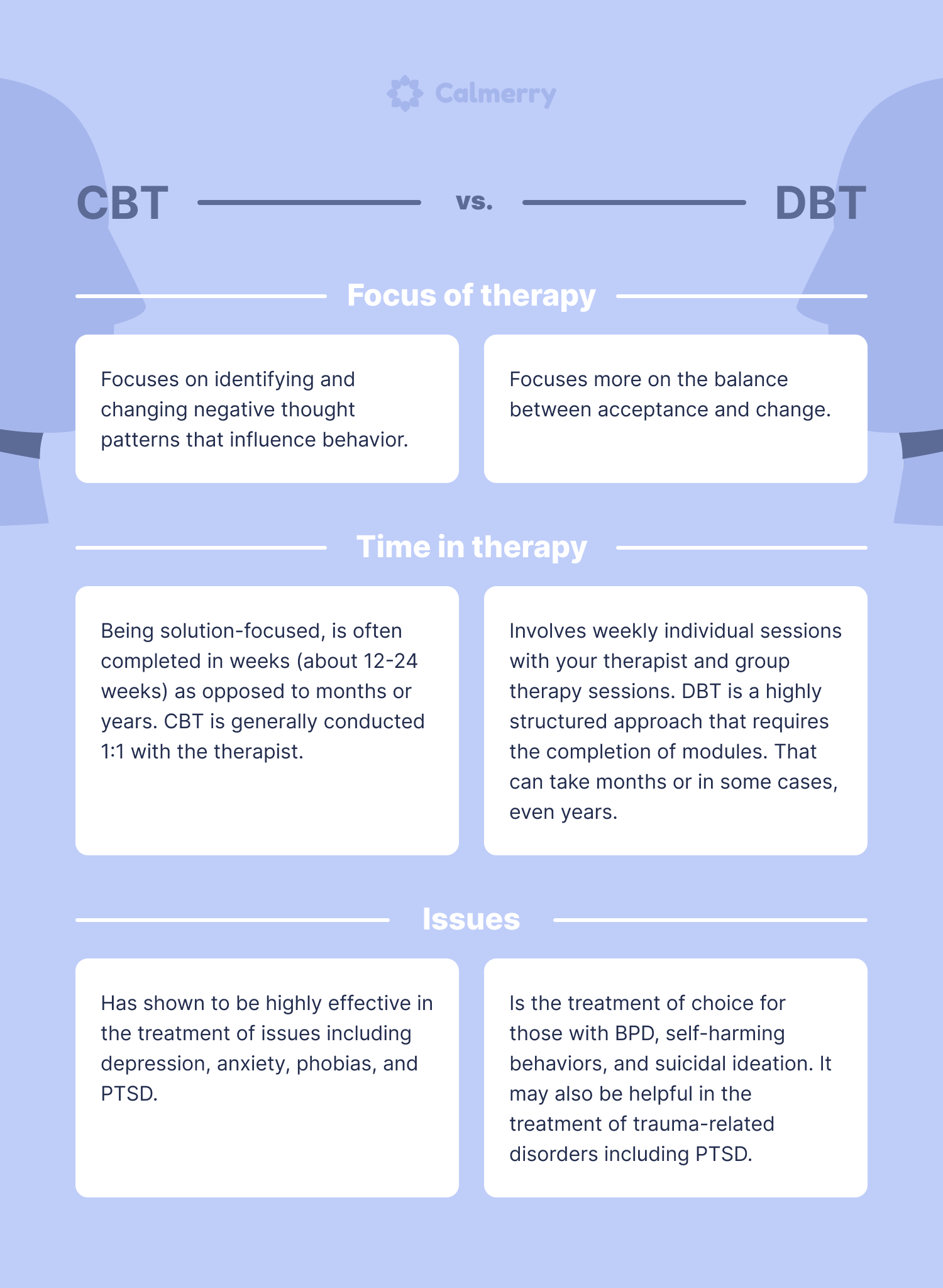
This shift from feeling trapped by your conditions to working towards modification is a huge innovation. While therapy usually begins by assisting minimize tough symptoms, it inevitably aids you develop the partnerships and life experiences you in fact desire.
Growing from Darkness to Wellness
You leave sessions with insights or strategies as opposed to sensation totally lost. "You know it when you really feel both safe AND a little tested. Like you don't need to over-explain yourself, and you're not being judgedbut you're likewise not simply venting into a gap or just whining like you're speaking with a close friend," states Cheryl Groskopf, LMFT, LPCC.Some treatment sessions can be emotionally requiring, like exactly how a great exercise can leave you physically tired however stronger.
Yet this does not suggest something is wrong, but instead you're doing vital work. The distinction is that you really feel sustained throughout the process and count on that you're progressing at a speed that benefits you. says therapy aided him challenge addiction, embrace vulnerability, and unlock years of subdued feeling.
Poor days don't immediately transform right into poor weeks any longer. Maybe you still obtain activated by particular situations, but instead of being stuck for days, you can work through the feeling and relocate onward more quickly. You're constructing more powerful emotional muscle mass.
Depression Care for Profound Healing
This change is particularly purposeful for anyone who has experienced injury or tough life events. The goal isn't to forget what occurred or pretend it does not matter, yet to create a various connection with those experiences, one where you can recognize the pain without being eaten by it. You're really utilizing what you find out in treatment in your real life.
Understanding your patterns is just the beginning. Adjustment in relationships requires time and practice, yet that deeper self-knowledge creates a foundation for meaningful shifts in exactly how you link with others. You're replacing old, unhelpful coping methods with healthier choices. Whether it's doing what you can rather of overthinking, taking deep breaths when stressed, or counting to ten prior to reacting.
Rather of scrolling with social media when stressed out, you might take a walk or call a close friend.
Typical Incorrect Ideas About Therapy
Additionally, attempt to be present, limit diversions, ask inquiries, and ask your therapist about your objectives and progression periodically." Not every therapist is the ideal suitable for every person, which's alright. Key indication include: Consistently feeling worse after sessionsNever discussing objectives or therapy progressFeeling judged instead than supported Ask on your own, "Am I being tested in a helpful way that results in growth?".

No two treatment trips are the same. You can make progression psychologically, emotionally, behaviorally, or, for some individuals, physically. When it's working, therapy can make you really feel lighter or even more enthusiastic.

Latest Posts
Past Trauma Resolution using EMDR
What Happens throughout DBT Programming with Compassionate Providers
Cultivating Self-Esteem for Accomplished Individuals