Featured
Table of Contents
Ashlei Petion, a licensed professional counselor (LPC) and assistant professor of professional mental health counseling at Nova Southeastern College in Florida, observed a common pattern in the therapy job she made with teens throughout her master's internship. Her young clients would typically speak in sessions regarding obstacles and friction in your home, yet whenever Petion looped the customers' parents right into the conversation, they stated they were merely parenting their kid in the very same methods their very own moms and dads had actually finished with them.

For some clients and therapists, social injustice and historical/cultural erasure might maintain them from linking offering issues, such as problem in partnerships or problematic coping, to obstacles or injury that customers have not experienced themselves, however which affects their family and neighborhood, Goodman notes.
There's just no means a therapy program can cover whatever completely, including the intricacies of trauma, in a two-year master's program, she states. Additionally, much of the books and products therapist education and learning programs make use of to instruct students regarding trauma have a Western viewpoint and do not cover historical and generational trauma, she includes.
Psychological Experience Across Languages
Generational trauma is an area of study for Mike, a third-year doctoral candidate in counselor education and supervision at the College of Florida, but it's likewise something he personally observed maturing as a Black male. He states he likewise sees its results in the problems of the students, faculty and team he counsels at Vanderbilt.
The crux is to reveal where these sensations originate; if it's something that they've internalized from their family or community, then it can show they have generational injury that needs to be addressed, Mike states. For example, a client who reveals worry or suspect of police or treatment may not have a personal experience that triggers that fear.
She guides these clients to talk concerning their family of origin, and where their sensations of pity may have come from. Customers who are influenced by generational trauma frequently locate that they stem from cultural messages they have actually internalized, Guyton states.

They might require you to demonstrate that you are a person who can be relied on, someone that will certainly believe them," states Goodman, an ACA member and rep on the ACA Governing Council. Goodman notes that some customers may desire to do a deep dive right into refining the historic origins of their trauma while others may merely want to acknowledge it and focus on various other job, such as discovering coping tools for everyday life.
The Achievement-Anxiety Cycle
"The objective is for our customers to be able to live the life they desire to live," Goodman continues. Guyton, an ACA member and co-author of the workbook Recovering the Wounds of Generational Trauma: The Black and White American Experience, has actually had customers who traveled to talk with prolonged household members to discover more about the trauma, context and life tales of their forefathers, whereas others are not comfortable doing so.
"There is normally a link to what it is to be an American and how they feel as an American." Also, the field of epigenetics, she includes, instructs us that the historical injury responses can be passed down to next generations. Counselors might additionally require to deal with multiple challenges with these clients at as soon as, Guyton says.
Once it surfaces, I concentrate on it as a lot as the client leads and wait until they're ready to process it. I desire to also be sensitive to the various other sorts of injury" they're managing, she describes. Guyton has created a strategy that uses a mix of cognitive behavior therapy, narrative treatment, genogram and some directed imagery work to assist customers recognize the generational trauma being passed down to them and gain the abilities to disrupt transmission to the next generation.
The circumstance left a lot of the parents with intense feelings of pity, concern and generational injury, Goodman claims. In turn, these parents and their youngsters were dealing with generational trauma as they battled to preserve family bonds, she includes. She found that these moms and dads wanted to find out parenting skills in counseling to satisfy their immediate needs and support their youngsters, however they likewise required deeper job to refine the injury of their experience at boarding school, where they weren't permitted to speak their native language or use their indigenous dress and, in some situations, endured abuse.
Stopping Generational Trauma
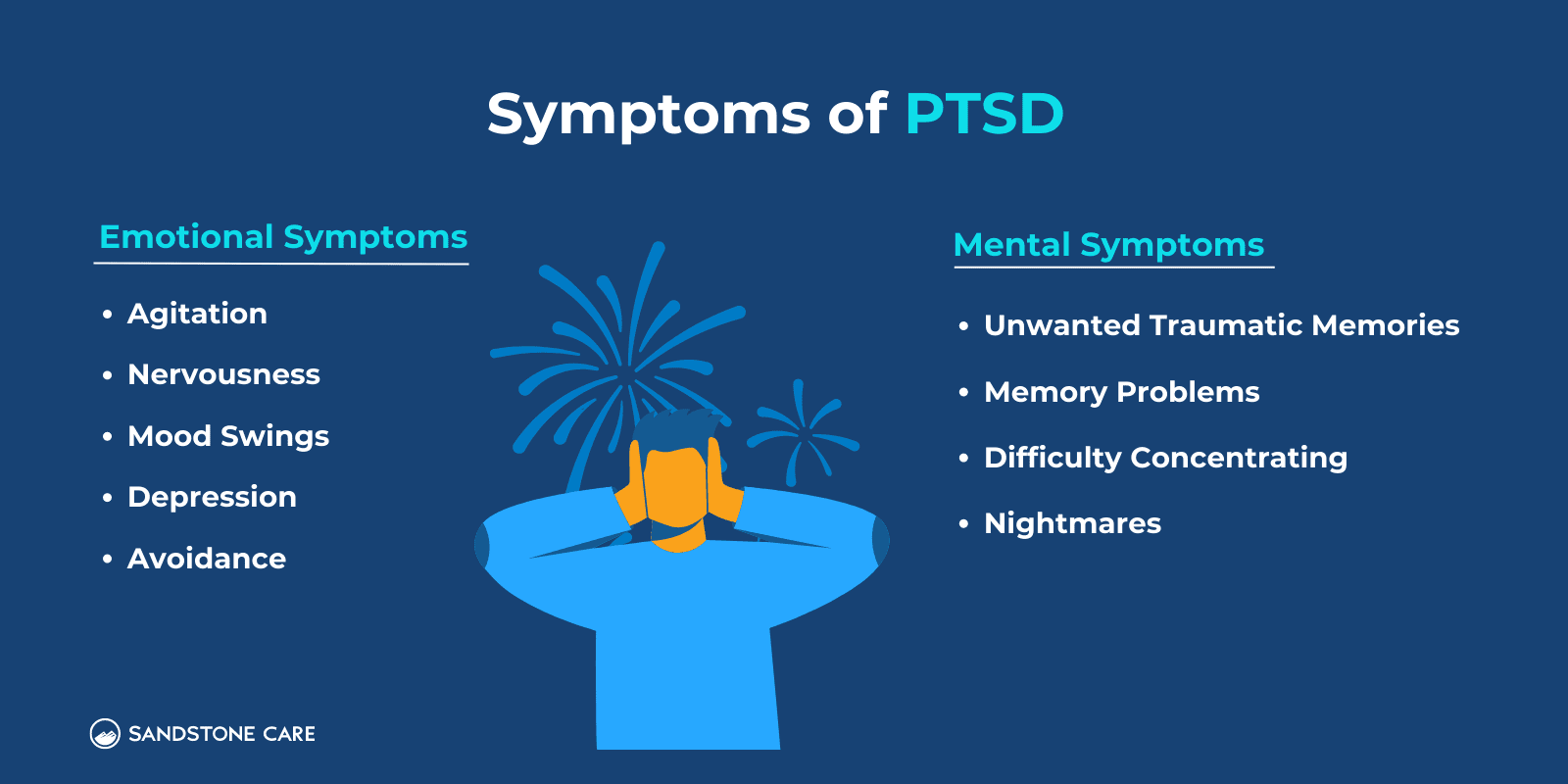
At intake, check out not only their trauma background and challenges however likewise their strengths, sources and points that give them really hope, she encourages."Hope and having connection [in connections] is so crucial" for these clients, Goodman stress and anxieties. "These troubles are significant and have massive impacts, so assisting our customers continue spite of these barriers is really essential." Counseling to assist customers acknowledge and unbox their generational injury has to be culturally delicate and customized to every client's different combination of demands.
Mike locates that it can be valuable to begin conversations by prompting clients to take into consideration the "miracle inquiry" and visualize or envision a world where their difficulty or problem (in this case, generational injury) is totally removed. He suggests asking the customer, "What would certainly it resemble if you really did not hang on to these sensations, or this pressure wasn't there?" to spark idea and conversation concerning the huge picture and larger problems linked to their challenges.

Latest Posts
The Importance of Research-Supported Group Therapy
Succeeding Between Two Cultures
Why Trauma Work Works When Traditional Therapy Doesn't